
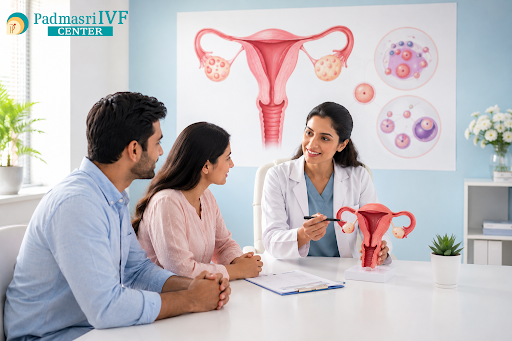
For many women, the journey to motherhood is a dream filled with hope, excitement, and expectations. However, for some, getting pregnant may take longer than expected. Fertility challenges can affect women of all ages and backgrounds, making it important to understand the underlying causes and available treatment options. Female fertility is influenced by several factors, including age, hormonal balance, reproductive health, lifestyle habits, and overall well-being.
A fertility disorder does not necessarily mean that pregnancy is impossible. Modern medical advancements have made it possible to diagnose and treat many fertility-related conditions successfully. The key is early evaluation and timely intervention. Understanding common fertility disorders can help women recognize symptoms, seek professional guidance, and make informed decisions about their reproductive health.
At padmasrihospitalsandivfcentre, we believe that every woman deserves access to accurate information and personalized fertility care. Our goal is to help couples understand fertility challenges and explore the most effective solutions available. If you are facing difficulties in conceiving, consulting the Best Fertility Doctor in Vizag can help identify the cause and create a customized treatment plan that improves your chances of a successful pregnancy.
Female fertility is a complex process that depends on the proper functioning of several reproductive organs and hormones. Every month, the ovaries release an egg through a process called ovulation. The egg travels through the fallopian tube, where it may be fertilized by sperm. If fertilization occurs, the embryo moves into the uterus and implants itself in the uterine lining, resulting in pregnancy.
Any disruption in this process can affect fertility. Hormonal imbalances, blocked fallopian tubes, uterine abnormalities, poor egg quality, or ovulation disorders can all make conception more difficult. In some cases, fertility problems develop gradually and may not show obvious symptoms until a woman starts trying to conceive.
Understanding fertility disorders is essential because many conditions can be managed successfully when detected early. Women who experience irregular menstrual cycles, pelvic pain, recurrent miscarriages, or difficulty conceiving should consider seeking professional fertility evaluation.
Female fertility disorders are medical conditions that interfere with a woman's ability to conceive naturally or carry a pregnancy successfully. These disorders may affect the ovaries, uterus, fallopian tubes, endocrine system, or reproductive hormones.
Some fertility disorders primarily affect ovulation, while others interfere with fertilization or implantation. Certain conditions may be present from birth, while others develop later in life due to hormonal changes, infections, lifestyle factors, or underlying health conditions.
The impact of fertility disorders varies from person to person. Some women may conceive naturally after treatment, while others may require assisted reproductive techniques such as IVF. With proper diagnosis and expert care from the Best Fertility Doctor in Vizag, many women achieve successful pregnancies despite fertility challenges.
Recognizing early signs of fertility problems can help women seek timely medical attention. While some conditions remain silent, others produce noticeable symptoms that should not be ignored.
Women experiencing any of these symptoms should consider a comprehensive fertility evaluation to determine the underlying cause.
Polycystic Ovary Syndrome, commonly known as PCOS, is one of the most common causes of female infertility. It affects millions of women worldwide and occurs when the ovaries produce higher-than-normal levels of male hormones called androgens. This hormonal imbalance disrupts normal ovulation and can make conception difficult.
Women with PCOS may develop multiple small cysts on their ovaries, although not every woman with PCOS has visible cysts. The condition can affect reproductive health, metabolism, and overall well-being.
PCOS interferes with the normal release of eggs from the ovaries. Without regular ovulation, the chances of fertilization decrease significantly. Some women ovulate only occasionally, while others may not ovulate at all.
Many women with PCOS achieve successful pregnancies with appropriate medical care and monitoring.
Endometriosis is a condition in which tissue similar to the uterine lining grows outside the uterus. These abnormal growths can develop on the ovaries, fallopian tubes, pelvic organs, and surrounding tissues. The condition can cause significant pain and fertility problems.
Endometriosis affects reproductive function in several ways. It may create inflammation, scar tissue, and adhesions that interfere with egg release, fertilization, or embryo implantation.
The inflammation caused by endometriosis can damage reproductive tissues and reduce fertility. Scar tissue may block fallopian tubes or alter pelvic anatomy, making it difficult for sperm and egg to meet naturally.
Women experiencing persistent pelvic pain should not ignore symptoms, as early diagnosis often improves fertility outcomes.
Ovulation disorders occur when the ovaries fail to release eggs regularly or stop releasing eggs altogether. These disorders are among the leading causes of female infertility and can result from hormonal imbalances, thyroid problems, stress, excessive exercise, or underlying medical conditions.
Ovulation is essential for natural conception because pregnancy cannot occur without the release of a mature egg.
A thorough fertility assessment can identify ovulation-related problems and guide effective treatment planning.
Fibroids are non-cancerous growths that develop within or around the uterus. They vary in size and number and are common among women during their reproductive years. While many fibroids do not affect fertility, certain types can interfere with implantation and pregnancy.
Fibroids located inside the uterine cavity may reduce the chances of successful conception and increase miscarriage risk.
Fibroids may alter the shape of the uterus, interfere with embryo implantation, block fallopian tubes, or affect blood supply to the uterine lining.
Women planning pregnancy should discuss fibroid management with the Best Fertility Doctor in Vizag to determine whether treatment is necessary before conception.
The fallopian tubes play a critical role in reproduction because they provide the pathway through which the egg and sperm meet. When these tubes become blocked, fertilization may not occur naturally.
Tubal blockage may result from infections, pelvic inflammatory disease, previous surgeries, endometriosis, or scar tissue formation.
Many women with blocked tubes experience no obvious symptoms. In some cases, they may experience:
Blocked tubes prevent the egg and sperm from meeting, making natural fertilization impossible in many cases. Partial blockages may increase the risk of ectopic pregnancy.
Advancements in reproductive medicine have enabled many women with tubal factor infertility to achieve successful pregnancies.
Premature Ovarian Insufficiency, also known as POI, occurs when the ovaries stop functioning normally before the age of 40. In this condition, the ovaries produce fewer eggs and lower levels of reproductive hormones, particularly estrogen. Although it is sometimes confused with early menopause, women with POI may still have occasional menstrual cycles and, in some cases, may conceive naturally.
POI can have a significant impact on fertility because the number and quality of available eggs decline much earlier than expected. The condition may occur due to genetic factors, autoimmune disorders, certain medical treatments, or unknown causes.
Women with POI often experience reduced ovarian reserve, meaning fewer healthy eggs are available for fertilization. This can make natural conception more challenging and may require specialized fertility treatment.
Early diagnosis is extremely important because it allows women to explore fertility options before ovarian function declines further.
The thyroid gland plays a crucial role in regulating metabolism, hormone production, and reproductive function. Both hypothyroidism (underactive thyroid) and hyperthyroidism (overactive thyroid) can affect ovulation, menstrual cycles, and pregnancy outcomes.
Many women are unaware that thyroid dysfunction may be contributing to fertility challenges. Even mild thyroid abnormalities can interfere with reproductive health.
Abnormal thyroid hormone levels can disrupt ovulation and reduce the likelihood of successful conception. Thyroid disorders may also increase the risk of miscarriage and pregnancy complications if left untreated.
Proper thyroid management often restores reproductive function and improves fertility outcomes.
Pelvic Inflammatory Disease is an infection of the female reproductive organs, usually caused by untreated sexually transmitted infections or bacterial infections. PID can damage the uterus, fallopian tubes, and ovaries, potentially leading to long-term fertility complications.
The condition may develop gradually and sometimes causes only mild symptoms, making early diagnosis challenging.
Inflammation caused by PID can create scar tissue within the fallopian tubes. These scars may block the tubes, preventing sperm and egg from meeting naturally. Severe PID can significantly reduce fertility and increase the risk of ectopic pregnancy.
Preventing and treating infections promptly is one of the most effective ways to protect fertility.
Accurate diagnosis is the foundation of successful fertility treatment. Because multiple factors can contribute to infertility, a comprehensive evaluation is often necessary.
At padmasrihospitalsandivfcentre, we conduct detailed fertility assessments to identify the underlying cause and develop personalized treatment plans.
A thorough fertility workup helps ensure that treatment targets the root cause rather than simply addressing symptoms.
Advancements in reproductive medicine have transformed the way fertility disorders are managed. Today, many women who previously struggled to conceive can achieve successful pregnancies through personalized treatment strategies.
Healthy lifestyle choices often improve fertility outcomes and enhance the effectiveness of medical treatments.
Medications are frequently used to stimulate ovulation and regulate reproductive hormones. These treatments are often recommended for women with ovulation disorders and hormonal imbalances.
Certain fertility disorders require surgical correction to restore normal reproductive function.
Examples include:
IUI involves placing specially prepared sperm directly into the uterus around the time of ovulation. This procedure can improve the chances of fertilization in selected cases.
IVF is one of the most effective fertility treatments available today. The process involves retrieving eggs from the ovaries, fertilizing them in a laboratory, and transferring healthy embryos into the uterus.
Many women with complex fertility disorders have successfully achieved pregnancy through IVF treatment. Consulting the Best Fertility Doctor in Vizag can help determine whether IVF is the right option based on individual circumstances.
While not all fertility disorders can be prevented, several healthy habits may reduce the risk of reproductive complications and support long-term fertility.
Taking proactive steps toward reproductive health often leads to better fertility outcomes and earlier diagnosis of potential concerns.
Many couples delay seeking help because they believe conception will happen naturally with time. However, early evaluation can significantly improve treatment success rates.
You should consider consulting a fertility specialist if:
Receiving guidance from the Best Fertility Doctor in Vizag can provide clarity, identify underlying causes, and help create a treatment pathway tailored to your needs.
One of the biggest misconceptions about infertility is that waiting longer may solve the problem naturally. While some couples do conceive over time, delaying evaluation can allow underlying conditions to progress.
Early fertility assessment offers several advantages:
At padmasrihospitalsandivfcentre, we encourage women to seek professional advice whenever fertility concerns arise. Early intervention often leads to more effective treatment outcomes.
Female fertility disorders are more common than many people realize, but they do not have to prevent the dream of parenthood. Conditions such as PCOS, endometriosis, ovulation disorders, fibroids, blocked fallopian tubes, thyroid disorders, pelvic inflammatory disease, and premature ovarian insufficiency can all affect fertility in different ways. Fortunately, advances in reproductive medicine have made diagnosis and treatment more effective than ever before.
Understanding symptoms, seeking timely evaluation, and choosing the right fertility care can make a significant difference. Whether fertility challenges are mild or complex, personalized treatment plans can improve the chances of successful conception and a healthy pregnancy.
At padmasrihospitalsandivfcentre, we are committed to helping women navigate fertility challenges with compassion, expertise, and advanced reproductive care. If you are experiencing difficulties conceiving, consulting the Best Fertility Doctor in Vizag can be an important step toward achieving your dream of building a family. With the right support, many fertility challenges can be successfully overcome, allowing women to move forward with confidence and hope.
Polycystic Ovary Syndrome (PCOS) is one of the most common causes of female infertility. It affects ovulation and hormone balance, making conception more difficult. Early diagnosis and treatment can significantly improve pregnancy chances.
Yes, many women with PCOS can conceive naturally, especially when lifestyle changes and medical treatment improve ovulation. In some cases, fertility medications or assisted reproductive techniques may be recommended.
No, not all women with endometriosis experience infertility. However, moderate to severe endometriosis can affect reproductive organs and reduce fertility. Early treatment may help preserve reproductive health.
Women under 35 should generally seek evaluation after one year of trying to conceive. Women over 35 should consider consulting a specialist after six months of unsuccessful attempts.
Yes, both underactive and overactive thyroid conditions can interfere with ovulation and reproductive hormones. Proper treatment often improves fertility and supports healthy pregnancy outcomes.
Many cases of tubal blockage can be treated through surgery or assisted reproductive treatments. The best approach depends on the location and severity of the blockage.
No, IVF is only one of many treatment options. Depending on the diagnosis, lifestyle changes, medications, surgery, or IUI may be effective alternatives before considering IVF.
Early evaluation helps identify underlying fertility disorders before they worsen. It also allows couples to access more treatment options and improve their chances of successful conception.