
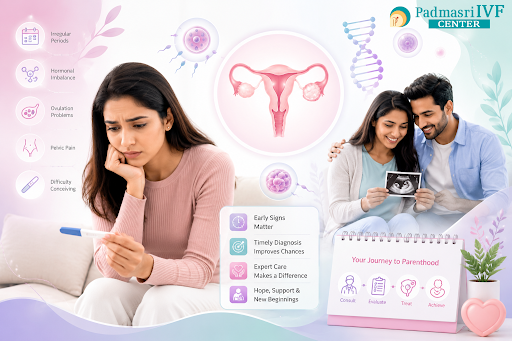
Starting a family is one of the most meaningful milestones in life. For many couples, conception happens naturally within a few months of trying. However, for others, the journey can be more challenging than expected. While fertility issues are more common than many people realize, early warning signs often go unnoticed or are dismissed as temporary concerns.
Recognizing fertility-related symptoms at an early stage can make a significant difference in diagnosis, treatment success, and overall reproductive health. Many conditions that affect fertility can be effectively managed when detected early. Unfortunately, delaying medical consultation may reduce treatment options and impact outcomes.
Understanding your body and paying attention to unusual changes can help you take timely action. Whether you are planning to conceive soon or simply want to maintain good reproductive health, knowing the warning signs is essential.
At Padmasri Hospitals and IVF Centre, we believe that awareness is the first step toward successful fertility care. This guide explains the most important fertility warning signs, why they occur, and when professional medical support becomes necessary.
Fertility challenges do not always appear suddenly. In many cases, the body gives subtle indications that reproductive health may be affected. These signs may develop gradually and can sometimes be mistaken for stress, hormonal changes, or normal aging.
Early diagnosis provides several important benefits:
• It helps identify underlying medical conditions before they become more severe and difficult to treat.
• It improves the chances of successful fertility treatment by addressing problems at an earlier stage.
• It allows couples to make informed decisions regarding family planning and reproductive options.
• It reduces emotional stress by providing clarity about fertility concerns and available solutions.
• It increases the likelihood of achieving a healthy pregnancy through timely intervention and personalized care.
This is why many couples choose the Best Fertility Clinic in Vizag for comprehensive fertility evaluation and expert guidance.
One of the earliest and most common warning signs of fertility issues is an irregular menstrual cycle. A healthy menstrual cycle generally occurs every 21 to 35 days. Significant variations in cycle length may indicate hormonal imbalances or ovulation problems.
Women who experience missed periods, highly unpredictable cycles, or unusually long gaps between periods may not be ovulating regularly. Since ovulation is essential for conception, any disruption can affect fertility.
Possible causes include:
• Polycystic Ovary Syndrome (PCOS)
• Thyroid disorders
• Hormonal imbalances
• Premature ovarian insufficiency
• Excessive stress
• Extreme weight changes
If irregular periods persist for several months, consulting a fertility specialist is recommended. The Best Fertility Clinic in Vizag offers advanced diagnostic testing to identify the root cause and create personalized treatment plans.
While mild menstrual discomfort is common, severe pain that interferes with daily activities should never be ignored. Intense cramping, pelvic pain, and painful bowel movements during menstruation may indicate underlying reproductive conditions.
One major cause is endometriosis, a condition where tissue similar to the uterine lining grows outside the uterus. Endometriosis can damage reproductive organs, create inflammation, and reduce fertility.
Warning signs may include:
• Severe pelvic pain during menstruation
• Pain during intercourse
• Chronic lower abdominal pain
• Heavy menstrual bleeding
• Pain while urinating or passing stools during periods
Early diagnosis can help preserve fertility and improve treatment outcomes significantly.
Excessive menstrual bleeding can indicate reproductive health concerns that may affect fertility. Women who soak through sanitary products frequently, pass large blood clots, or experience prolonged bleeding should seek medical evaluation.
Heavy bleeding may be associated with:
• Uterine fibroids
• Endometrial polyps
• Hormonal imbalances
• Adenomyosis
• Thyroid disorders
These conditions can interfere with implantation and pregnancy, making timely treatment essential.
One of the most important fertility warning signs is the inability to conceive despite regular unprotected intercourse.
General medical guidelines suggest seeking evaluation if:
• You are under 35 and have been trying for one year without success.
• You are over 35 and have been trying for six months without success.
• You have known reproductive health conditions.
The Best Fertility Clinic in Vizag provides comprehensive fertility assessments for both partners to identify potential obstacles and recommend appropriate treatment options.
Persistent pelvic discomfort can indicate reproductive health issues that affect fertility. Many women assume pelvic pain is normal, but chronic discomfort should always be investigated.
Potential causes include:
• Endometriosis
• Pelvic inflammatory disease
• Ovarian cysts
• Fibroids
• Adhesions from previous surgeries
Early treatment may prevent complications and improve reproductive outcomes.
Hormones play a vital role in reproductive health. When hormone levels become imbalanced, fertility can be affected significantly.
Common symptoms include:
• Excessive facial hair growth
• Severe acne
• Sudden weight gain
• Hair thinning
• Mood changes
• Fatigue
• Irregular periods
Hormonal testing can help identify abnormalities and guide treatment decisions.
Experiencing multiple miscarriages can be emotionally devastating and may indicate underlying fertility concerns.
Potential causes include:
• Genetic abnormalities
• Uterine abnormalities
• Hormonal disorders
• Autoimmune conditions
• Blood clotting disorders
Comprehensive evaluation can help determine the cause and improve future pregnancy outcomes.
Age remains one of the most significant factors affecting fertility. Female fertility naturally declines over time, particularly after age 35.
Important age-related changes include:
• Reduced egg quantity
• Reduced egg quality
• Increased miscarriage risk
• Lower IVF success rates
Seeking fertility evaluation earlier can help preserve reproductive options and improve outcomes.
Fertility challenges are not limited to women. Male factors contribute to a substantial percentage of infertility cases.
Warning signs include:
• Low sexual desire
• Erectile dysfunction
• Testicular pain
• Swelling in the testicles
• Reduced facial or body hair
• Previous reproductive infections
The Best Fertility Clinic in Vizag offers comprehensive fertility evaluations for both men and women.
Several everyday habits may negatively impact reproductive health.
These include:
• Smoking
• Excessive alcohol consumption
• Obesity
• Poor nutrition
• Chronic stress
• Lack of physical activity
• Exposure to environmental toxins
Making positive lifestyle changes can improve fertility potential and overall health.
Do not wait until fertility challenges become severe. Consider professional evaluation if:
• Your periods are irregular.
• You experience severe menstrual pain.
• You have been trying to conceive without success.
• You have a history of reproductive disorders.
• You have experienced recurrent miscarriages.
• You are concerned about age-related fertility decline.
The Best Fertility Clinic in Vizag provides personalized care designed to identify fertility challenges early and guide patients toward effective solutions.
Modern reproductive medicine offers numerous treatment options depending on the underlying cause.
Available treatments may include:
• Ovulation induction
• Intrauterine Insemination (IUI)
• In Vitro Fertilization (IVF)
• Intracytoplasmic Sperm Injection (ICSI)
• Fertility preservation
• Surgical correction of reproductive abnormalities
At Padmasri Hospitals and IVF Centre, advanced technology and individualized treatment plans help maximize success rates for aspiring parents.
Fertility problems rarely appear without warning. Your body often provides important signals that something may require medical attention. Irregular periods, severe menstrual pain, unexplained pelvic discomfort, hormonal symptoms, difficulty conceiving, and recurrent pregnancy loss are all signs that should never be ignored.
Seeking professional support early can significantly improve your chances of achieving a healthy pregnancy while protecting your long-term reproductive health. If you notice any of these symptoms, timely evaluation can make a meaningful difference.
At Padmasri Hospitals and IVF Centre, our dedicated specialists provide compassionate and evidence-based fertility care tailored to each individual's needs. As the Best Fertility Clinic in Vizag, we are committed to helping couples move confidently toward their dream of parenthood.
Irregular menstrual cycles are often among the earliest signs of fertility issues. Changes in cycle length, missed periods, or unpredictable ovulation can indicate hormonal imbalances that affect conception. Early evaluation can help identify and manage these concerns effectively.
Yes, severe menstrual pain may be linked to conditions such as endometriosis or adenomyosis. These disorders can interfere with reproductive function and reduce fertility if left untreated. Consulting a specialist can help determine the cause and appropriate treatment.
Women under 35 should consider evaluation after one year of unsuccessful attempts to conceive, while women over 35 should seek help after six months. Earlier consultation is recommended if significant fertility warning signs are present.
No, fertility challenges can affect both men and women. Male factors contribute to many infertility cases, making comprehensive evaluation of both partners essential for accurate diagnosis and treatment planning.
Healthy lifestyle habits can positively influence reproductive health. Maintaining a balanced diet, exercising regularly, avoiding smoking, reducing alcohol intake, and managing stress may improve fertility outcomes and overall well-being.