
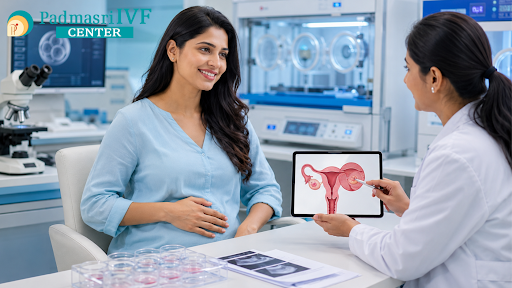
Embryo transfer is one of the most significant milestones in the IVF journey. After weeks of fertility evaluations, hormonal stimulation, egg retrieval, fertilization, and embryo development, the embryo transfer procedure represents the beginning of a hopeful new chapter for couples aspiring to become parents. Although the procedure itself is usually quick, safe, and painless, the days that follow are often filled with anticipation because everyone eagerly waits to know whether implantation has successfully occurred.
Implantation is the process in which the embryo attaches to the uterine lining (endometrium) and begins developing into a pregnancy. This step is essential because even the healthiest embryo cannot result in pregnancy unless it implants successfully. Several factors, including embryo quality, uterine health, hormone balance, blood circulation, nutrition, lifestyle habits, emotional well-being, and overall reproductive health, can influence implantation success.
Many couples believe that once the embryo is transferred, there is nothing more they can do except wait for the pregnancy test. While implantation is a natural biological process that cannot be controlled entirely, adopting healthy habits, following your fertility specialist's advice, and maintaining a positive lifestyle can create the best possible environment for implantation.
Choosing the Best IVF Centre in Visakhapatnam gives couples access to experienced fertility specialists, advanced embryology laboratories, personalized treatment plans, and modern reproductive technology that significantly improve the chances of a successful pregnancy. At padmasrihospitalsandivfcentre , every IVF treatment plan is carefully designed according to each patient's unique fertility needs, ensuring comprehensive care from diagnosis to pregnancy.
This comprehensive guide explains how implantation works, why it is important, and what practical steps may help improve implantation after embryo transfer.
Embryo implantation is the process in which a fertilized embryo attaches itself to the uterine lining after embryo transfer. Once implantation occurs successfully, the embryo begins receiving oxygen and nutrients from the mother's body, allowing pregnancy to develop naturally.
Although implantation may sound simple, it is actually one of the most complex biological processes in reproductive medicine. Successful implantation requires several conditions to work together perfectly:
Modern IVF treatments focus not only on producing high-quality embryos but also on preparing the uterus to receive them. Fertility specialists carefully monitor hormone levels, endometrial thickness, blood flow, and reproductive health before scheduling embryo transfer.
Understanding implantation also helps reduce unnecessary anxiety. Every woman experiences implantation differently. Some notice mild cramping or spotting, while others experience no symptoms at all. The absence of symptoms does not indicate implantation failure.
Every stage of IVF contributes to treatment success, but implantation is the moment when all previous efforts come together. Without successful implantation, pregnancy cannot begin, regardless of how healthy the embryo appears in the laboratory.
Once the embryo attaches successfully to the uterine lining, it begins producing hormones that support early pregnancy. The placenta gradually develops, supplying oxygen and nutrients to the growing baby throughout pregnancy.
Successful implantation is important because it:
Couples choosing the Best IVF Centre in Visakhapatnam benefit from advanced implantation protocols, personalized hormone management, and continuous monitoring to maximize pregnancy outcomes. At padmasrihospitalsandivfcentre , specialists use evidence-based fertility treatments and individualized care to optimize implantation success for every patient.
Successful implantation depends on multiple interconnected factors rather than a single element. Every woman's reproductive system is unique, which is why fertility specialists develop customized treatment plans.
Healthy embryos have a significantly higher chance of implanting successfully. Advanced embryology laboratories evaluate embryo development carefully before selecting the most suitable embryo for transfer.
A healthy uterine lining provides the ideal environment for implantation. Fertility specialists continuously monitor endometrial thickness through ultrasound scans before embryo transfer.
Hormones such as estrogen and progesterone prepare the uterus for implantation. Proper hormonal support before and after embryo transfer is essential for pregnancy success.
Healthy blood flow delivers oxygen and nutrients to the uterine lining, creating favorable conditions for embryo attachment.
Maternal age, ovarian reserve, previous pregnancies, uterine conditions, and other reproductive factors all influence implantation success.
Balanced nutrition, adequate sleep, regular hydration, stress management, maintaining a healthy body weight, avoiding smoking, and limiting alcohol consumption all contribute positively to reproductive health.
Although embryo transfer itself takes only a few minutes, preparing your body for implantation begins several weeks before the procedure. Fertility specialists focus on optimizing your reproductive health by ensuring that your uterine lining, hormone levels, and overall well-being are ideal before the embryo is transferred.
Following every medical instruction provided by your fertility specialist is one of the most important steps toward improving implantation success. Medications such as estrogen and progesterone help prepare the uterine lining and support early pregnancy. Missing doses or altering medications without consulting your doctor can affect treatment outcomes.
Nutrition also plays a significant role during this phase. Eating a balanced diet rich in lean proteins, fresh fruits, vegetables, healthy fats, and whole grains provides your body with essential nutrients required for reproductive health. Drinking plenty of water helps maintain healthy blood circulation to the uterus, while sufficient sleep allows the body to recover from hormonal stimulation.
Some of the most effective preparation strategies include:
Couples choosing the Best IVF Centre in Visakhapatnam receive personalized preparation plans that improve uterine receptivity and overall reproductive health before embryo transfer. At padmasrihospitalsandivfcentre , every patient receives individualized guidance to maximize the chances of successful implantation.
Many couples ask whether lifestyle changes can improve implantation after embryo transfer. While no habit can guarantee pregnancy, healthy daily routines create an environment that supports embryo development and overall reproductive health.
The period following embryo transfer should focus on balance rather than excessive restrictions. Most fertility specialists recommend gentle daily activities instead of complete bed rest. Light walking, healthy eating, adequate hydration, and emotional relaxation are generally encouraged.
Healthy lifestyle habits include:
Consume meals rich in antioxidants, lean proteins, whole grains, fruits, vegetables, healthy fats, vitamins, and minerals. These nutrients support hormone production, reduce inflammation, and promote uterine health.
Proper hydration improves circulation throughout the body, including blood flow to the uterus, which helps maintain a healthy implantation environment.
Aim for seven to eight hours of quality sleep every night. Proper sleep supports hormone regulation, strengthens the immune system, and promotes physical recovery.
Meditation, deep breathing exercises, gentle yoga, listening to calming music, reading books, and spending time with supportive family members can reduce anxiety during the waiting period.
Smoking, alcohol, excessive caffeine, and recreational drugs should be avoided because they may negatively affect reproductive health and early pregnancy development.
Patients receiving treatment at the Best IVF Centre in Visakhapatnam are provided with detailed lifestyle counseling that complements their medical treatment. At padmasrihospitalsandivfcentre, specialists educate couples about healthy daily habits that support implantation and long-term pregnancy success.
Although no single food can guarantee implantation, eating a balanced and nutritious diet provides the body with the vitamins, minerals, proteins, and antioxidants necessary for healthy reproductive function.
Hormonal medications used during IVF may temporarily affect digestion, appetite, and energy levels. Eating smaller, balanced meals throughout the day helps maintain stable blood sugar levels while supplying continuous nutrition.
Colorful fruits and vegetables provide antioxidants that help reduce oxidative stress while supporting healthy cell growth and reproductive health.
Eggs, chicken, fish, lentils, beans, dairy products, and tofu provide amino acids that support tissue repair and hormone production.
Brown rice, oats, quinoa, whole wheat bread, and millet supply complex carbohydrates that provide long-lasting energy and promote healthy digestion.
Avocados, olive oil, walnuts, almonds, flaxseeds, chia seeds, and omega-3-rich foods contribute to hormone production while reducing inflammation.
Spinach, beetroot, legumes, dates, leafy vegetables, and iron-fortified cereals help improve oxygen delivery throughout the body.
Leafy green vegetables, citrus fruits, beans, and fortified cereals provide folate, an essential nutrient for healthy fetal development.
Couples undergoing treatment at the Best IVF Centre in Visakhapatnam often receive customized nutritional guidance to support implantation and pregnancy. At padmasrihospitalsandivfcentre , fertility specialists and nutrition experts work together to recommend individualized dietary plans according to each patient's medical needs.
One of the most common questions after embryo transfer is whether normal daily activities can interfere with implantation. The embryo remains securely inside the uterus after transfer, but avoiding unnecessary physical strain allows the body to recover comfortably.
Activities that should generally be avoided include:
Avoid lifting heavy objects or performing physically demanding household work because excessive strain may cause discomfort during the recovery period.
Running, jumping, weightlifting, aerobics, and other vigorous workouts should be postponed until your fertility specialist advises that they are safe.
These substances can negatively affect reproductive health and should be completely avoided during fertility treatment and pregnancy.
Limit caffeine intake according to your doctor's recommendations. Moderate consumption is generally considered safer than excessive intake.
Do not take herbal supplements, painkillers, or over-the-counter medications without first consulting your fertility specialist, as some substances may interfere with fertility medications.
Instead, focus on gentle walking, reading, spending time with loved ones, and maintaining a calm daily routine.
The period between embryo transfer and the pregnancy test is commonly known as the two-week wait. For many couples, this is the most emotionally challenging stage of IVF because excitement, hope, and anxiety often occur together. Every small symptom may feel significant, but it is important to remember that implantation varies from person to person.
Although stress alone does not cause implantation failure, prolonged emotional stress can affect sleep quality, appetite, and overall well-being. Creating a calm and positive environment during this phase supports both physical and emotional health.
Healthy ways to manage stress include:
Patients receiving treatment at the Best IVF Centre in Visakhapatnam are encouraged to maintain emotional well-being throughout the IVF journey. At padmasrihospitalsandivfcentre, compassionate counseling and continuous patient support help couples remain confident while waiting for their pregnancy results.
Common Myths About Implantation After Embryo Transfer
Many misconceptions surround embryo implantation. Understanding the facts helps reduce unnecessary stress.
Fact: Most fertility specialists recommend light daily activities rather than complete bed rest because gentle movement supports healthy blood circulation.
Fact: Mild cramping may or may not occur. Some women experience implantation without any symptoms at all.
Fact: No single food guarantees implantation. Overall nutrition and healthy lifestyle habits are much more important.
Fact: Implantation depends on multiple biological and medical factors. While emotional well-being is beneficial, stress alone does not determine IVF success.
Receiving treatment at the Best IVF Centre in Visakhapatnam ensures couples receive scientifically accurate guidance throughout every stage of treatment.
Every woman's experience is different, but some early signs may include:
It is equally important to understand that many successful pregnancies occur without any symptoms at all. The only reliable confirmation of implantation is the pregnancy test recommended by your fertility specialist.
Although mild discomfort is common after embryo transfer, certain symptoms require immediate medical attention.
Contact your fertility specialist immediately if you experience:
Early medical evaluation helps ensure both patient safety and appropriate treatment whenever necessary.
Choosing the right fertility center is one of the most important decisions during your parenthood journey. At padmasrihospitalsandivfcentre, every patient receives personalized fertility care based on their medical history, reproductive health, and family goals. (Mention 9/10)
Our experienced fertility specialists combine advanced IVF technology, modern embryology laboratories, evidence-based treatment protocols, and compassionate patient care to provide comprehensive fertility services under one roof.
Why couples trust us:
Many couples searching for the Best IVF Centre in Visakhapatnam choose our center because of our commitment to excellence, advanced reproductive medicine, and patient-centered fertility care.
Embryo implantation is one of the most delicate and important stages of IVF treatment. Although no lifestyle habit can guarantee implantation, creating a healthy physical and emotional environment significantly supports reproductive health. Proper nutrition, sufficient sleep, stress management, hydration, following prescribed medications, attending follow-up appointments, and maintaining a positive outlook all contribute to a healthier fertility journey.
Every fertility journey is unique, and implantation depends on multiple factors including embryo quality, uterine health, hormonal balance, and expert medical care. Working closely with experienced fertility specialists ensures that your treatment is tailored according to your individual reproductive needs.
If you are planning IVF treatment or preparing for embryo transfer, choosing the Best IVF Centre in Visakhapatnam gives you access to experienced specialists, advanced fertility technology, and compassionate care. At padmasrihospitalsandivfcentre, we remain committed to helping every couple achieve their dream of parenthood through personalized fertility treatment, advanced reproductive medicine, and unwavering support.
1. What should I do immediately after embryo transfer?
After embryo transfer, take your prescribed medications on time, eat nutritious meals, stay hydrated, get adequate rest, and avoid strenuous activities unless advised otherwise by your fertility specialist.
2. Can diet improve implantation?
A healthy diet supports overall reproductive health by providing essential nutrients, antioxidants, proteins, vitamins, and healthy fats. While no food guarantees implantation, proper nutrition contributes to a healthier pregnancy.
3. Is complete bed rest necessary after embryo transfer?
No. Most fertility specialists recommend light daily activities instead of complete bed rest because gentle movement supports healthy blood circulation.
4. How long does implantation take after embryo transfer?
Implantation generally occurs within a few days after embryo transfer, depending on the stage of embryo development and individual biological factors.
5. When should I contact my fertility specialist?
Seek immediate medical attention if you experience severe abdominal pain, heavy bleeding, persistent vomiting, fever, breathing difficulty, or any symptoms that concern you.